
What a Technician Sees on the First Cold Morning Call
Every year it's the same pattern: the first real cold snap rolls through Alachua County, and the phone starts ringing. A homeowner hits the opener button and the door groans, jerks, or stalls halfway up. Nine times out of ten, nothing actually broke overnight. The door worked fine all through the hot, humid months, and the sudden temperature drop just exposed wear that was already there — dry lubricant, a spring that was already fatigued, or hardware that rusted a little during storm season and finally seized up once the metal contracted in the cold.
Lochloosa doesn't get brutal winters, but it does get something almost as hard on a garage door: wide temperature swings. A 40-degree night followed by a 70-degree afternoon is common here from November through February. Steel springs and tracks expand and contract with those swings, and any moisture left over from summer's afternoon downpours can turn into surface rust right as the metal is working hardest.
Why the Swing Season Is Harder on Your Door Than It Looks
Garage doors in this part of Florida spend the hot months dealing with humidity, swelling wood or composite panels, and salt-tinged air if you're anywhere near water. By the time winter arrives, a lot of that moisture is still sitting in hinges, rollers, and spring coils. Cold nights make steel contract slightly and lubricant thicken, so a spring or roller that was just barely getting by in October can start binding or squealing in December. If your door has sat through a humid, stormy hurricane season, winter is really when the bill comes due.
Springs and Hardware
- Listen for new noises. Grinding, popping, or a loud bang on the first cold morning usually points to a spring under stress, not just dry hinges.
- Check for rust on coils. Surface rust from summer humidity gets brittle and flakes in cold, dry air, which weakens the spring faster than most homeowners expect.
- Don't ignore a slow-closing door. If the door seems to hesitate or needs a push to finish closing, a spring is losing tension — a fall-into-winter issue, not a one-time glitch.
Weatherstripping and Bottom Seal
The bottom seal and side weatherstripping do double duty here: they keep out summer's driving rain and they keep out winter's cold drafts and the critters looking for a warm, dry garage to spend the season in. Check the bottom seal for cracks, flattening, or gaps where daylight shows through. A seal that swelled from humidity over the summer may have pulled away from the track slightly, leaving just enough of a gap for cold air, dust, or a curious rodent.
Opener and Safety Sensors
Hurricane season debris — leaves, pine needles, dust kicked up by wind — tends to settle on the photo-eye sensors near the bottom of the tracks. A sensor that's slightly out of alignment or has a film of grime on it can cause the door to reverse for no obvious reason, and that problem often shows up more in winter simply because people are opening and closing the door more as daylight hours shrink. If you have a battery backup on your opener, this is also a good time to test it; storm season isn't officially over everywhere at once, and winter cold fronts can still knock out power.
Tracks and Rollers
Walk the full length of both tracks and look for rust spots, bent sections, or gaps where the rollers aren't sitting flush. Humidity and standing water from afternoon downpours earlier in the year are common culprits behind rust at the bottom few feet of track, right where water tends to pool. Nylon rollers handle temperature swings better than old steel ones, so if you're hearing a rhythmic squeak that lubricant doesn't fix, aging rollers may be the real issue.
A Simple Pre-Winter Checklist
- Visually inspect springs for rust, gaps between coils, or visible stretching.
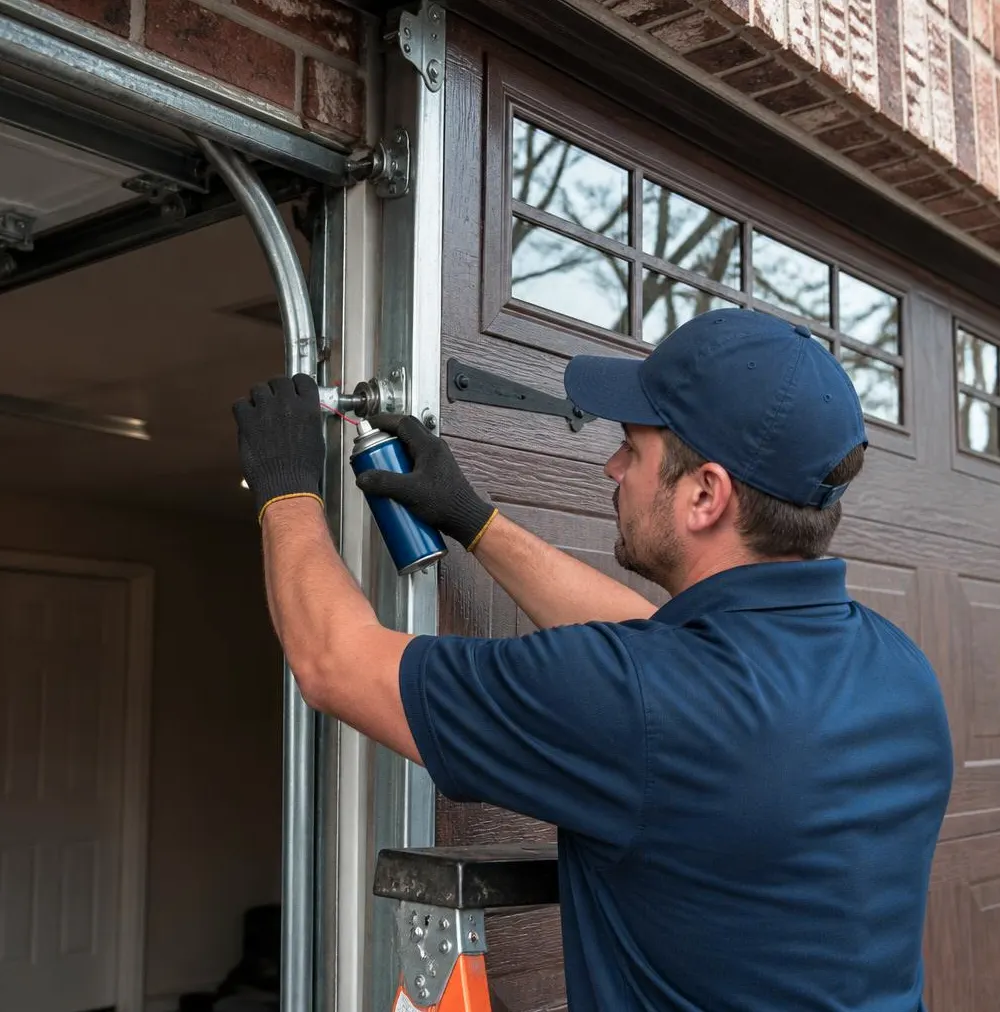
- Lubricate rollers, hinges, and the spring with a garage-door-specific lubricant, not household oil, which attracts dust and grime.
- Test the auto-reverse safety feature by placing a block under the door and watching it reverse on contact.
- Clean the photo-eye sensors and confirm the indicator lights are steady, not blinking.
- Check weatherstripping for cracks, flattening, or gaps and replace if it's lost its shape.
- Listen through a full open-close cycle for new grinding, popping, or hesitation.
When to Call Lochloosa Door & Opener
If you're hearing new noises, seeing rust on the spring coils, or the door is hesitating partway through its cycle, that's the point to stop troubleshooting on your own. Springs are under enormous tension and are not a safe DIY repair. Our Garage Door Spring Repair service handles that safely, and if the issue turns out to be worn rollers, a misaligned track, or a seal that's past its life, our Garage Door Maintenance & Tune-Up service covers a full inspection and adjustment so the door is ready for whatever the rest of winter brings. We work throughout Lochloosa, Hawthorne, Island Grove, Cross Creek, Citra, Micanopy, Waldo, and Earleton, and we show up on time and get it right the first visit.
If your garage door is already giving you trouble as the weather turns, call Lochloosa Door & Opener today and get it sorted before the next cold snap hits.